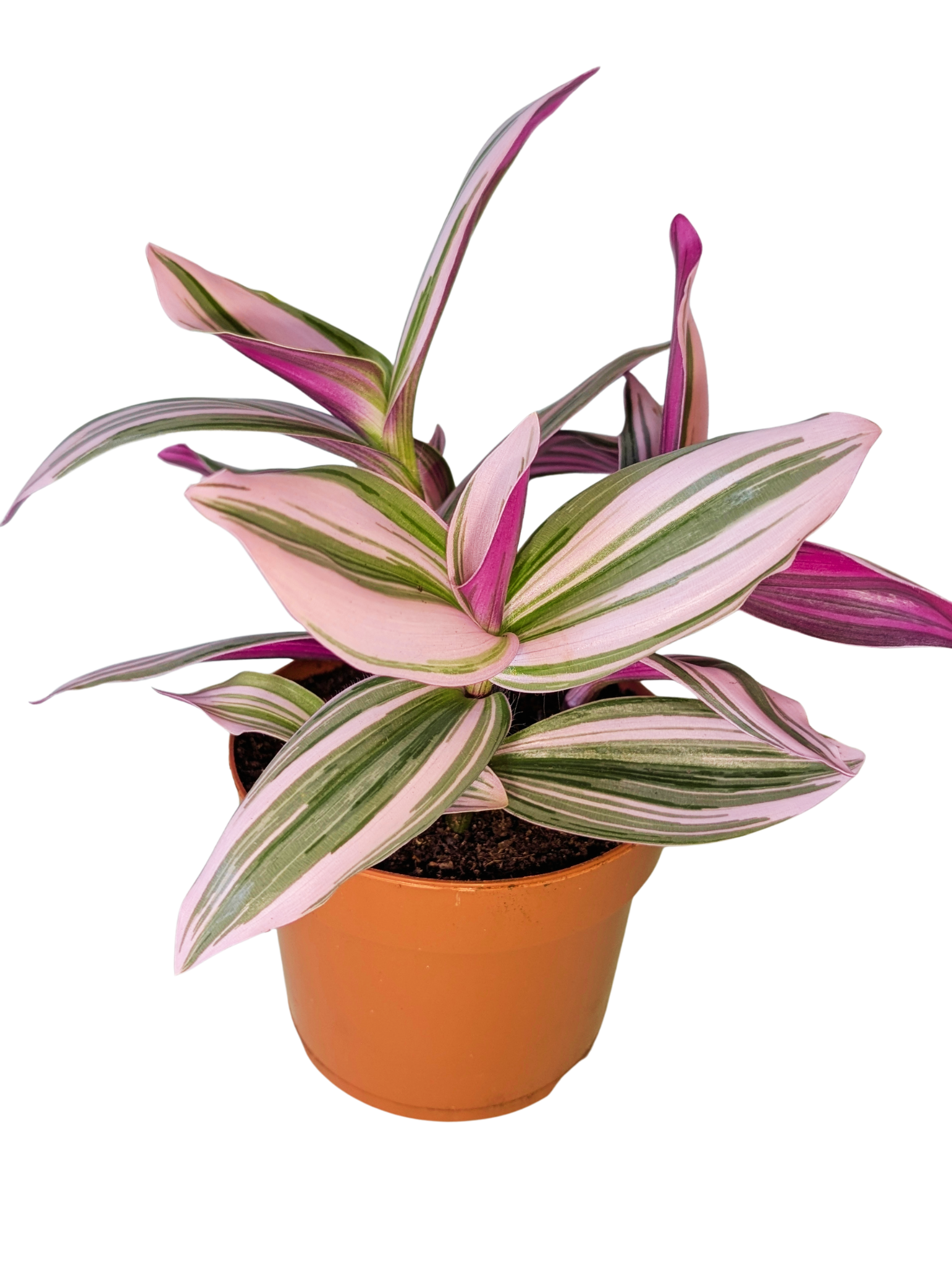
 Image 1 of 4
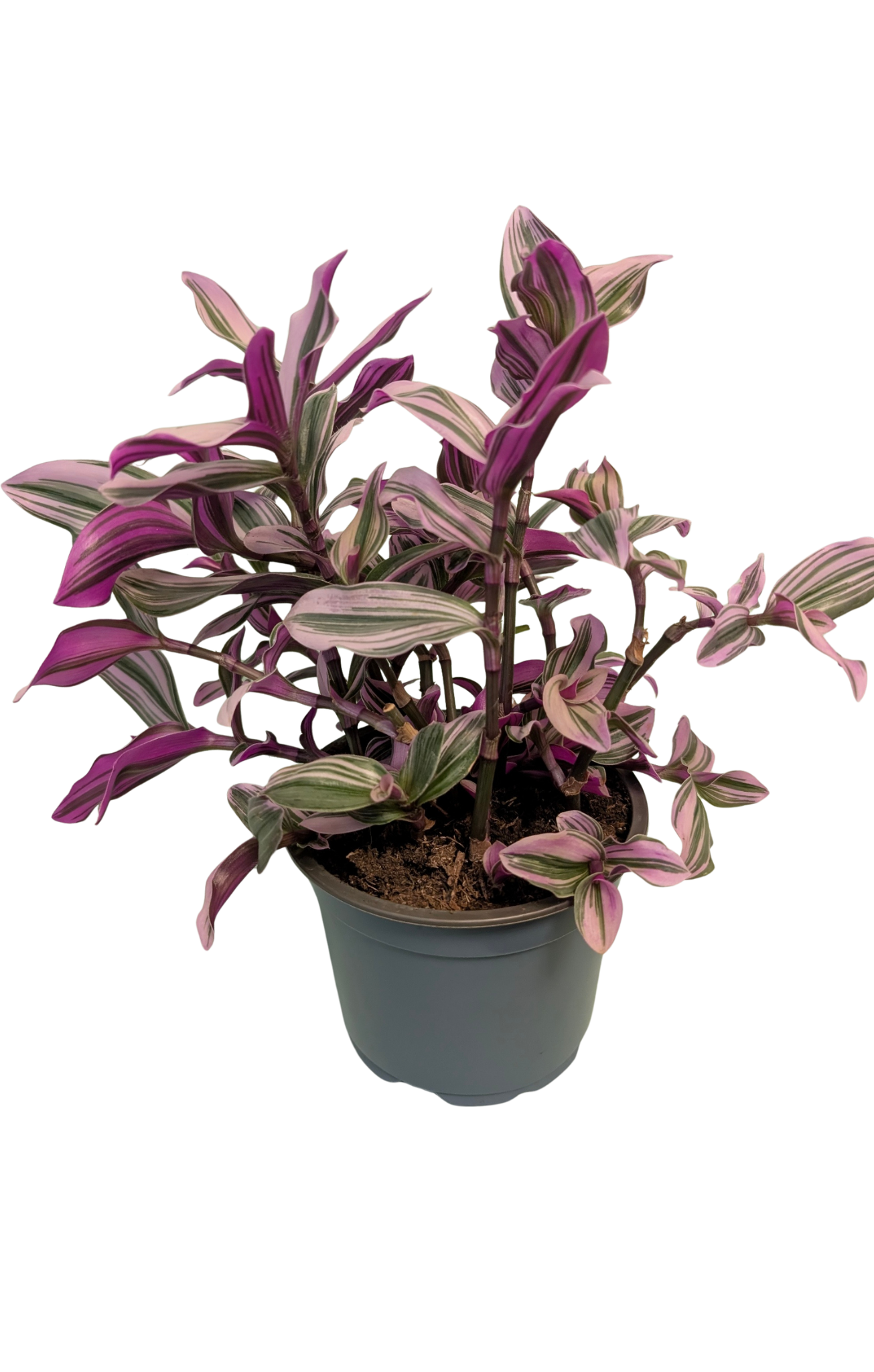
 Image 2 of 4
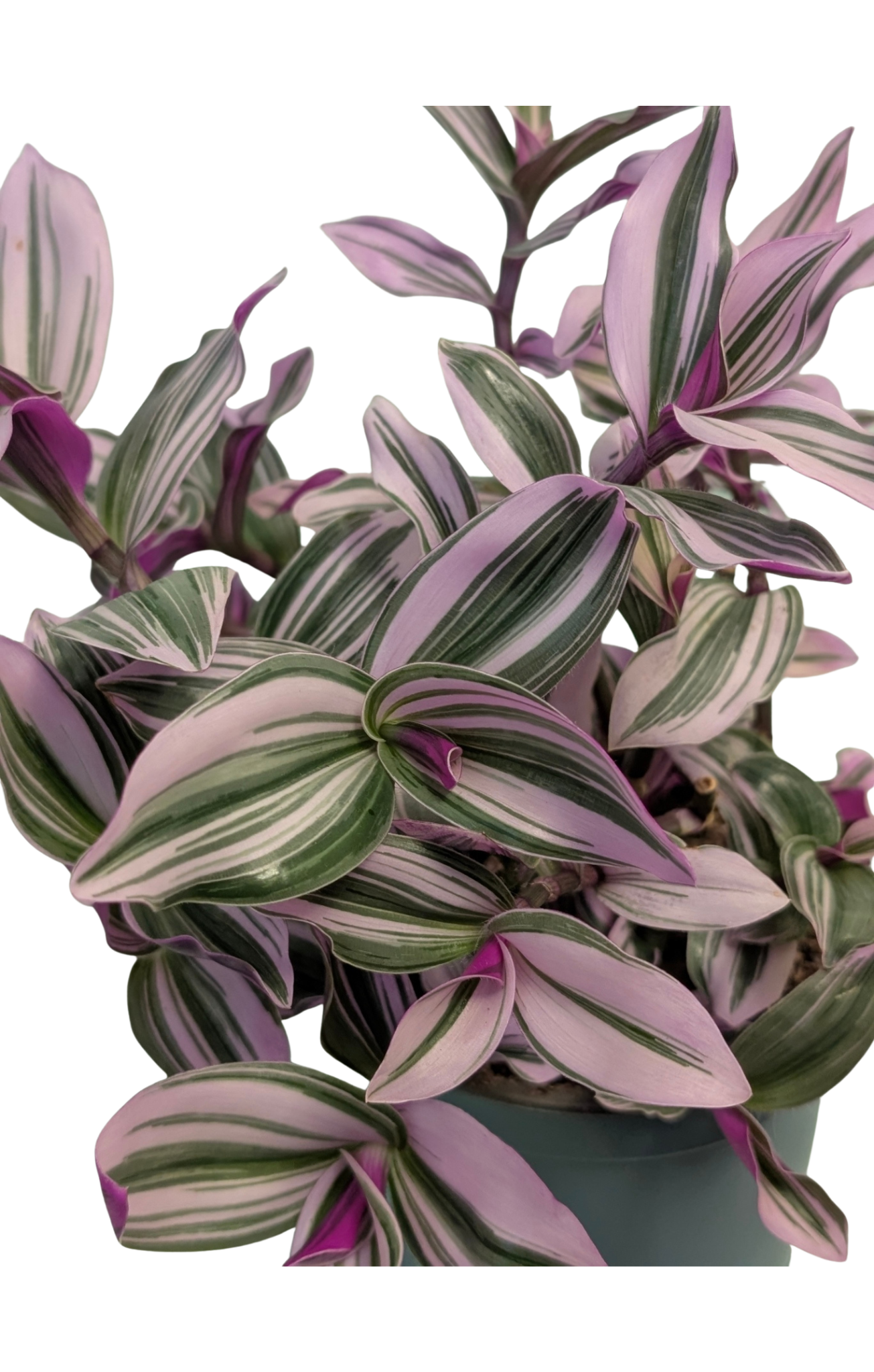
 Image 3 of 4
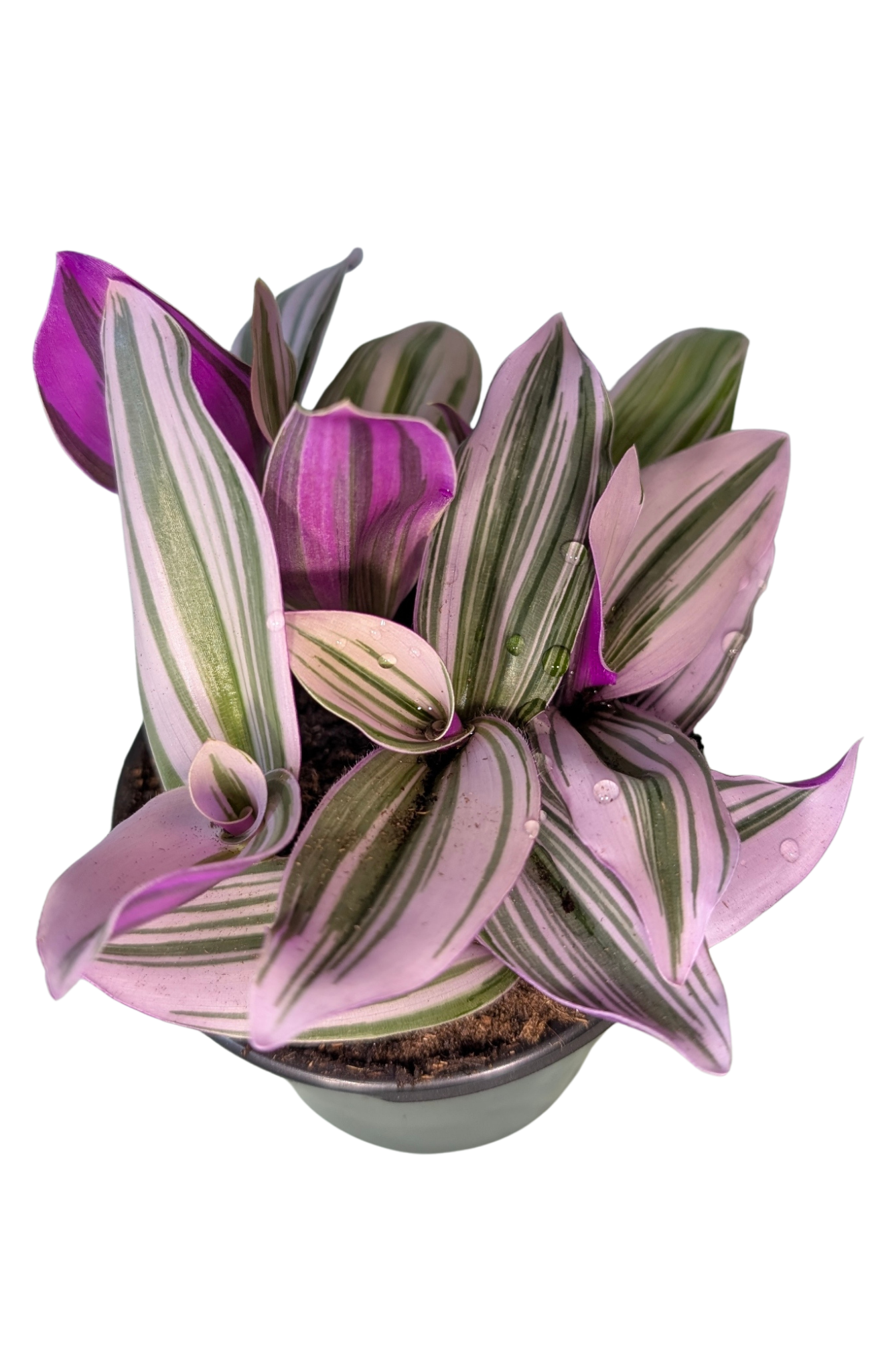
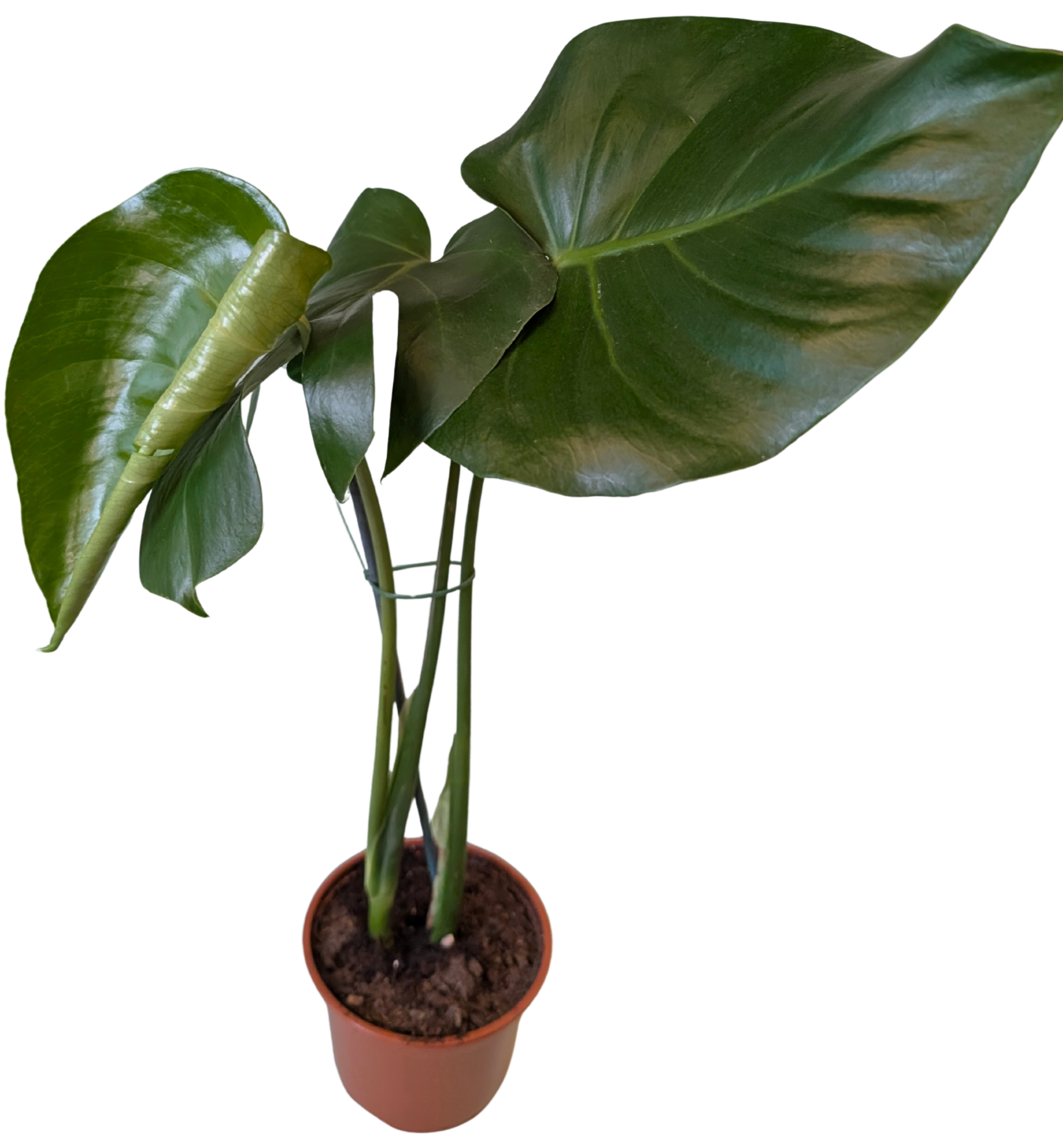 Image 4 of 4
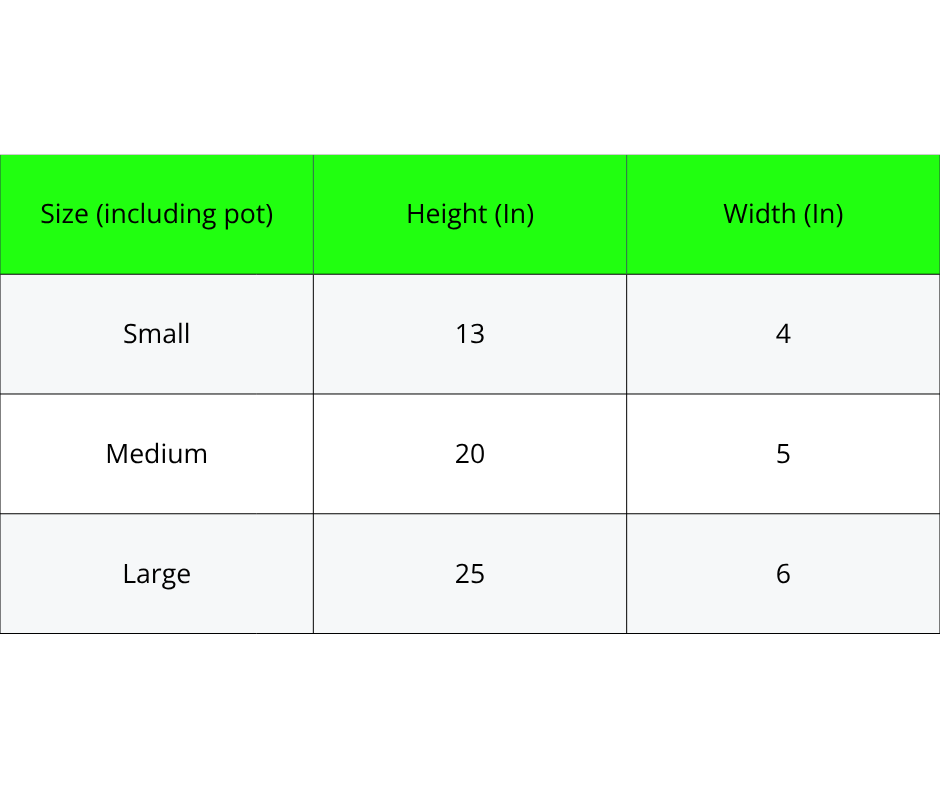
Please note that all plants are unique, and sizes may vary slightly.
Monstera Deliciosa Care Guide
Monstera deliciosa, often called the Swiss cheese plant, is a popular houseplant known for its striking, large, perforated leaves. Here’s how to keep your Monstera healthy and thriving:
Light:
Place your Monstera in bright, indirect light. It can tolerate some morning sun but avoid harsh, direct afternoon sunlight, which can scorch the leaves.
Watering:
Water when the top 5-7 cm of soil feels dry. Typically, this means watering about once a week, but it varies depending on your home’s humidity and temperature. Overwatering can cause root rot, so ensure the pot has good drainage.
Humidity:
Monstera deliciosa enjoys higher humidity but adapts well to average indoor levels. To boost humidity, mist the leaves regularly or place the pot on a tray filled with pebbles and water.
Temperature:
Keep your Monstera in a room where temperatures stay between 18°C and 27°C. Avoid cold drafts or sudden temperature changes.
Feeding:
Feed your Monstera every 4-6 weeks during spring and summer with a balanced, water-soluble houseplant fertiliser. Reduce feeding in autumn and winter when growth naturally slows.
Repotting:
Repot your Monstera every 1-2 years, preferably in spring, using a well-draining potting mix rich in organic matter.
Pruning & Support:
Trim any yellow or damaged leaves to encourage healthy growth. As the plant matures, it may need a moss pole or stake for support.
With a little attention, your Monstera deliciosa will be a stunning, leafy focal point in your home.